Public Sector Equality Duty Overview
· DiverseCT editorial team
Imagine finalising a new policy or public service initiative, only to realise too late that it doesn’t serve the diverse needs of your community—or worse, it unintentionally excludes or disadvantages some groups. Overlooking the Public Sector Equality Duty can have serious legal and reputational consequences for UK public sector leaders, making compliance and inclusivity more important than ever.
Quick answer: The Public Sector Equality Duty overview is a summary of the legal responsibilities, under the Equality Act 2010, requiring public bodies in England, Scotland and Wales to actively consider and promote equality, eliminate discrimination, and foster good relations when making decisions, delivering services, and developing policies.
Key Takeaways
-
The Public Sector Equality Duty overview covers the equality obligations that section 149 of the Equality Act 2010 places on public bodies in England, Scotland and Wales.
-
It applies to public authorities, and to other organisations when they carry out public functions, requiring a proactive approach to equality.
-
Equality Impact Assessments (EIAs) and training are critical tools for compliance and ongoing improvement.
-
Appropriate EDI training, consultancy, and eLearning support effective implementation and cultural change.
-
UK organisations benefit from best practices such as leadership accountability and regular progress monitoring.
Public Sector Equality Duty Overview: Origins and Scope
Equality Act 2010 Overview
The Public Sector Equality Duty overview is rooted in the Equality Act 2010, which consolidated previous anti-discrimination laws into a single framework. The Act brought in a single PSED, replacing the separate race, disability and gender equality duties, and requires public authorities in England, Scotland and Wales to have due regard to equality in everything they do. This includes local authorities, NHS trusts, police forces, and schools, as well as private or voluntary organisations when they carry out public functions. Northern Ireland has its own equality duty under section 75 of the Northern Ireland Act 1998.
Understanding the Duty’s Purpose
What is the Public Sector Equality Duty? In essence, it’s a proactive approach to ensuring all individuals—regardless of protected characteristics—are treated fairly. The duty’s three core aims are to eliminate unlawful discrimination, advance equality of opportunity, and foster good relations between people who share a protected characteristic and people who do not. This legal requirement is a key driver for Equality and Diversity training for public sector staff and leaders across the UK.
How Public Sector Equality Duty Works in Practice
Protected Characteristics and Who Must Comply
The Equality Act 2010 lists nine protected characteristics. Section 149 of the Equality Act 2010 applies the duty to eight of them: age, disability, gender reassignment, pregnancy and maternity, race, religion or belief, sex, and sexual orientation. Marriage and civil partnership is covered only by the first aim, eliminating discrimination, and only in employment. Public authorities in England, Scotland and Wales, and other organisations when they carry out public functions, must consider how their policies, services, and decisions affect people with these characteristics. This requirement applies from policy inception through delivery and evaluation.
Due Regard and Decision-Making
Central to the Public Sector Equality Duty overview is the concept of ‘due regard’. Public bodies must actively assess the potential impact of decisions on equality—not just at the end, but throughout the process. This means engaging with diverse groups, gathering evidence, and adjusting policies as required. Training such as unconscious bias training for public services helps organisations in the UK spot and address hidden barriers early on.

Implementing and Evidencing the Duty: Tools, Training, and EIAs
Equality Impact Assessments (EIAs)
One of the most effective ways to demonstrate compliance with the Public Sector Equality Duty overview is through Equality Impact Assessments. EIAs are structured processes that identify whether a policy, project, or service might disadvantage people with protected characteristics. Conducting EIAs early and updating them regularly ensures ongoing compliance and helps avoid costly mistakes or legal challenges. The EIA training and audits offered by DiverseCT equip UK organisations with the practical skills to carry out rigorous assessments.
EDI Training: Face-to-Face and eLearning Options
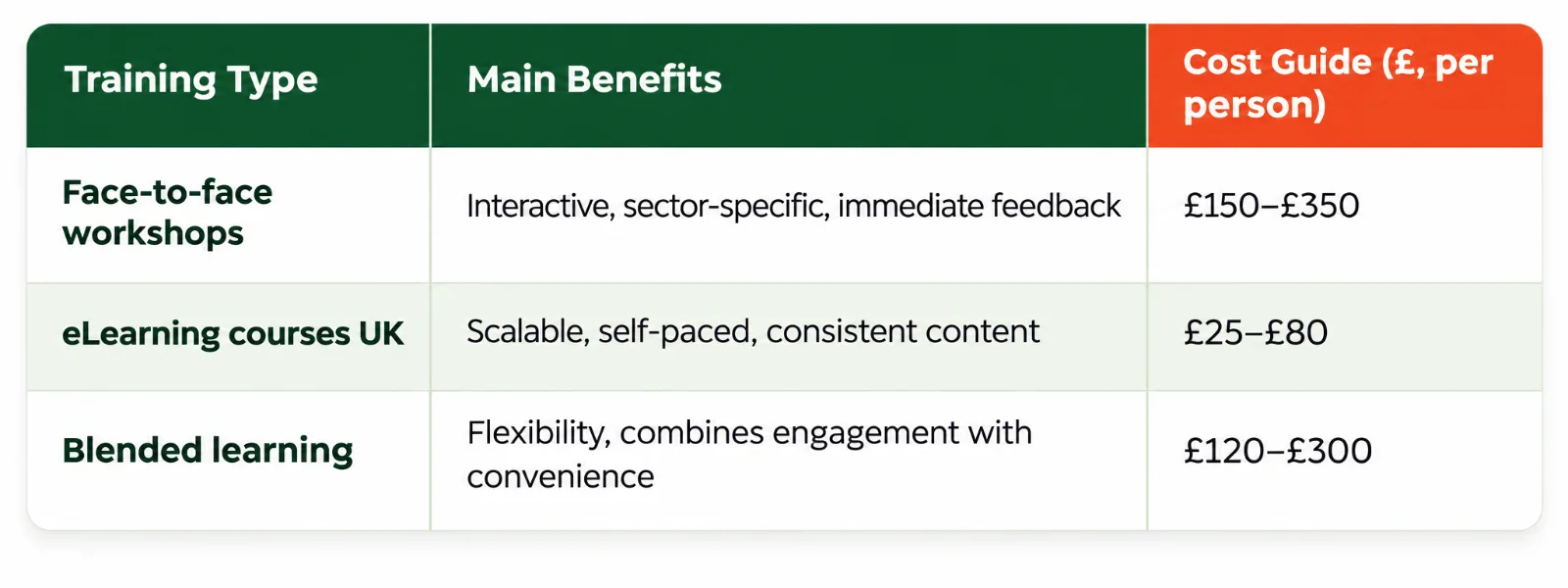
Robust training is crucial to embedding the PSED into everyday practice. Face-to-face training UK-wide offers interactive workshops tailored to sector needs, while online eLearning courses on equality provide flexible, cost-effective learning for staff at all levels. DiverseCT’s blended approach means everyone, from senior leaders to front-line staff, can access high-quality content wherever they are in the UK. EDI consultancy can also help organisations audit their culture and develop tailored action plans.
Islamophobia and Cultural Competence Training
Specialist courses such as Islamophobia awareness training UK and cultural competence workshops are increasingly in demand as the UK becomes more diverse. These sessions help organisations address specific forms of discrimination, comply with the Equality Act, and promote inclusive leadership. Investing in targeted training ensures staff are prepared to meet both legal and ethical expectations.

Best Practices for Public Sector Equality Compliance
Embedding Equality in Organisational Culture
To move beyond compliance and truly fulfil the ambition of the Public Sector Equality Duty overview, organisations must embed equality into their culture. This involves leadership buy-in, clear policies, and regular communication about EDI priorities. Diversity and inclusion consultancy services can help UK public sector bodies assess their current practices, identify gaps, and implement strategies for improvement.
Monitoring, Reporting, and Transparency
Continuous monitoring and transparent reporting are essential for building trust and driving improvement. Collecting and analysing equality data enables organisations to track progress, identify disparities, and demonstrate impact. In England, listed public authorities must publish equality information at least once a year and set specific, measurable equality objectives at least every four years, and those with 250 or more employees must publish gender pay gap figures each year. Scotland and Wales have their own specific duty regulations. Engaging with service users and staff alongside this helps meet these duties and build trust.
Leadership Accountability
Senior leaders must champion the Public Sector Equality Duty overview by setting the tone, allocating resources, and holding teams accountable. Embedding EDI into strategic plans, performance reviews, and leadership development ensures equality remains a central focus. Inclusive leadership training is invaluable for equipping managers with the knowledge and skills to drive progress.
Learning from Case Studies and Peer Networks
Sharing best practices and learning from real-life examples helps organisations avoid pitfalls and replicate what works. The DiverseCT blog features insights and case studies from across the UK, offering inspiration for continuous improvement. Peer networks and sector forums also support knowledge exchange and innovation.
Public Sector Equality Duty and EIAs: Deep Dive
What Makes a Good Equality Impact Assessment?
Effective EIAs are more than box-ticking exercises. They involve thorough data gathering, meaningful engagement with affected communities, and clear documentation of actions taken. Best practice includes updating EIAs when circumstances change and using findings to inform ongoing service improvement.
Benefits of Equality Impact Assessments
Conducting EIAs regularly delivers multiple benefits: it reduces legal risks, improves service accessibility, and demonstrates a commitment to fairness. For many UK councils, NHS trusts, and police forces, EIAs are now integral to both strategy and day-to-day operations. DiverseCT delivers EIA training and audits to support robust, evidence-based practice.
EIA Training and Audits in Action
Many organisations in the UK have transformed their decision-making by investing in professional EIA training. Staff feel more confident, service users experience fewer barriers, and leadership can evidence compliance if the duty is challenged, whether through judicial review or by the Equality and Human Rights Commission, which can assess a body and issue a compliance notice. Audits provide an independent check, highlighting strengths and opportunities for further progress.
Frequently Asked Questions
What is the Public Sector Equality Duty overview in simple terms?
The Public Sector Equality Duty overview is a summary of the legal obligation for public authorities in England, Scotland and Wales to integrate equality into policies, decisions, and service delivery, aiming to eliminate discrimination and foster inclusion.
How does the Duty affect private organisations delivering public contracts?
Private and voluntary sector organisations must have due regard to the three aims of the PSED when they carry out public functions, but only in carrying out those functions. The specific duties, such as publishing equality information, apply only to the public authorities listed in the regulations.
What is required to evidence compliance with the Duty?
Evidence typically includes Equality Impact Assessments, records of staff training, consultation with stakeholders, and published reports. Regular reviews and transparent documentation are essential for showing compliance if challenged.
How often should staff complete EDI training?
Best practice is for all staff to complete EDI training at induction and at regular intervals, with additional sessions after significant policy changes or incidents. E-learning and face-to-face options both help keep knowledge current.
Where can UK organisations find expert support?
Professional support from national specialists like DiverseCT’s consultancy team ensures organisations access up-to-date training, audits, and tailored advice for PSED compliance and cultural transformation.
Meeting the Public Sector Equality Duty overview isn’t just about legal compliance—it’s about building better, more inclusive public services for every community in the UK. For expert-led training, eLearning, or EDI consultancy, contact DiverseCT and start your journey towards meaningful equality and diversity transformation.